How to Recognize Warning Signs and Protect Yourself
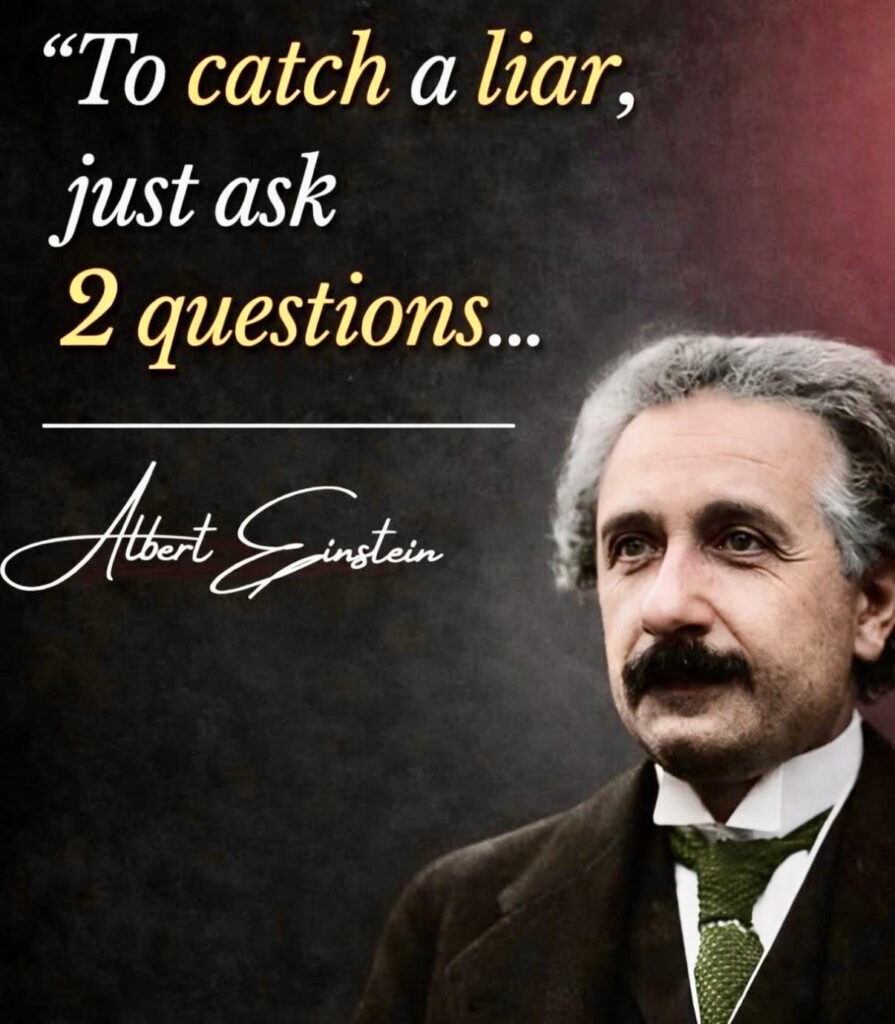
Throughout life, people are constantly searching for shortcuts—faster ways to succeed, feel fulfilled, or solve difficult problems.
But the most valuable guidance rarely comes from trends or complicated systems. It often comes from simple, timeless observations that encourage curiosity, humility, and independent thinking.
These ideas—often linked to great thinkers—go beyond any one subject. They touch on how we think, make decisions, create meaningful work, and live with intention.
What follows is a collection of principles to help you think more clearly, notice when something feels off, and navigate life with greater awareness and balance.
Keep Moving to Stay Balanced
Life doesn’t reward standing still. Like a bicycle, balance comes from forward motion.
Growth requires learning, adapting, and stepping outside familiar patterns. When we resist change completely, we risk getting stuck in outdated ways of thinking.
Progress isn’t about constant motion without purpose—it’s about adjusting when needed, learning continuously, and staying flexible.
Those who refuse to evolve don’t fall behind because they lack ability, but because they stop growing.
Imagination Expands What’s Possible
Facts inform us, but imagination allows us to see what doesn’t yet exist.
True intelligence isn’t just about knowledge—it’s about using that knowledge creatively to solve real problems.
When you can imagine different outcomes, you open doors others may never notice.
As children, imagination comes naturally. As adults, we often suppress it in favor of “realistic” thinking—but many breakthroughs begin as unrealistic ideas.
Being able to imagine alternative explanations also protects you. If something only makes sense one way, that’s often a red flag.
Mistakes Are Powerful Teachers
If you never fail, you’re probably not pushing yourself far enough.
What we call “experience” is often just lessons learned from mistakes.
Avoiding all risk slows growth. Trying, failing, and adjusting is how real progress happens.
The goal isn’t to eliminate mistakes—it’s to learn from them quickly and avoid repeating them.
Be cautious of anyone who claims something has zero risk or never fails. That’s rarely honest.
An Open Mind Keeps You Growing
Closed thinking relies on assumptions. Open thinking questions, reflects, and adapts.
Critical thinking takes effort, which is why quick judgments are so common—and so often wrong.
Real growth happens when you’re willing to admit you might be wrong. That’s not weakness—it’s strength.
Pay attention to how people react to questions. Honest ideas can handle scrutiny; weak ones cannot.
Contribution Outweighs Status
Chasing status or recognition might feel rewarding in the moment, but it rarely brings lasting fulfillment.
Meaning grows when what you do benefits others, not just yourself.
This doesn’t mean ignoring your own needs—it means balancing personal success with contribution.
Be aware: manipulation often targets your desire for quick success or status while hiding the downsides.
Learning Never Ends
Education doesn’t stop when school does.
A curious mind stays active, adaptable, and harder to mislead.
Ask questions. Explore new ideas. Learn because you want to understand—not because you’re told to.
Those who stop learning often become rigid and easier to influence.
Change Requires Action
Problems continue not just because of harmful actions, but because of silence.
Understanding an issue isn’t enough—action matters.
Speaking up, even when uncomfortable, can prevent harmful patterns from continuing.
You don’t need to challenge everything—but knowing your voice matters is essential.
Inconsistency Is a Warning Sign
One of the clearest signs of deception is inconsistency.
When stories change or details don’t align, something is usually off. Truth tends to remain stable.
Stay alert to these red flags:
- Pressure to decide immediately
- Promises that sound too good to be true
- Changing details when questioned
- Defensive reactions to simple questions
- Attempts to isolate you from other opinions
Clear thinking and thoughtful questions are your best defense.
Simplicity Brings Clarity
A simpler life often leads to deeper satisfaction.
Happiness isn’t about having more—it’s about needing less.
This doesn’t mean going without. It means focusing on what truly matters and letting go of what doesn’t.
Many misleading offers rely on making you feel like you’re lacking something. Contentment is a powerful shield against that.
Applying This Daily
You can strengthen your thinking with small, consistent habits:
- Ask one new question every day
- Learn from mistakes instead of fearing them
- Avoid rushing to conclusions
- Explore topics outside your usual interests
- Focus on what truly matters
- Watch if actions match words
- Think for yourself, not just with the crowd
Strengthen Your Mental Defenses
Protecting yourself from manipulation takes awareness and practice:
- Seek different perspectives
- Spend time with people who challenge your thinking
- Make space for quiet reflection
- Take care of your mental and physical energy
- Value understanding over appearing knowledgeable
The Core of Clear Thinking
In the end, the most powerful ideas are often the simplest:
Stay curious.
Think independently.
Learn from mistakes.
Focus on creating value.
When you live this way, you naturally see situations more clearly.
You’re less likely to be misled because you’re paying attention.
You make better decisions because you think things through.
And better decisions lead to better outcomes.
Being aware doesn’t mean being paranoid—it means being thoughtful.
The same habits that protect you—curiosity, simplicity, and independent thinking—also lead to a more meaningful life.
You don’t have to choose between being careful and being happy. In fact, they support each other.
It all comes back to a few simple principles: